
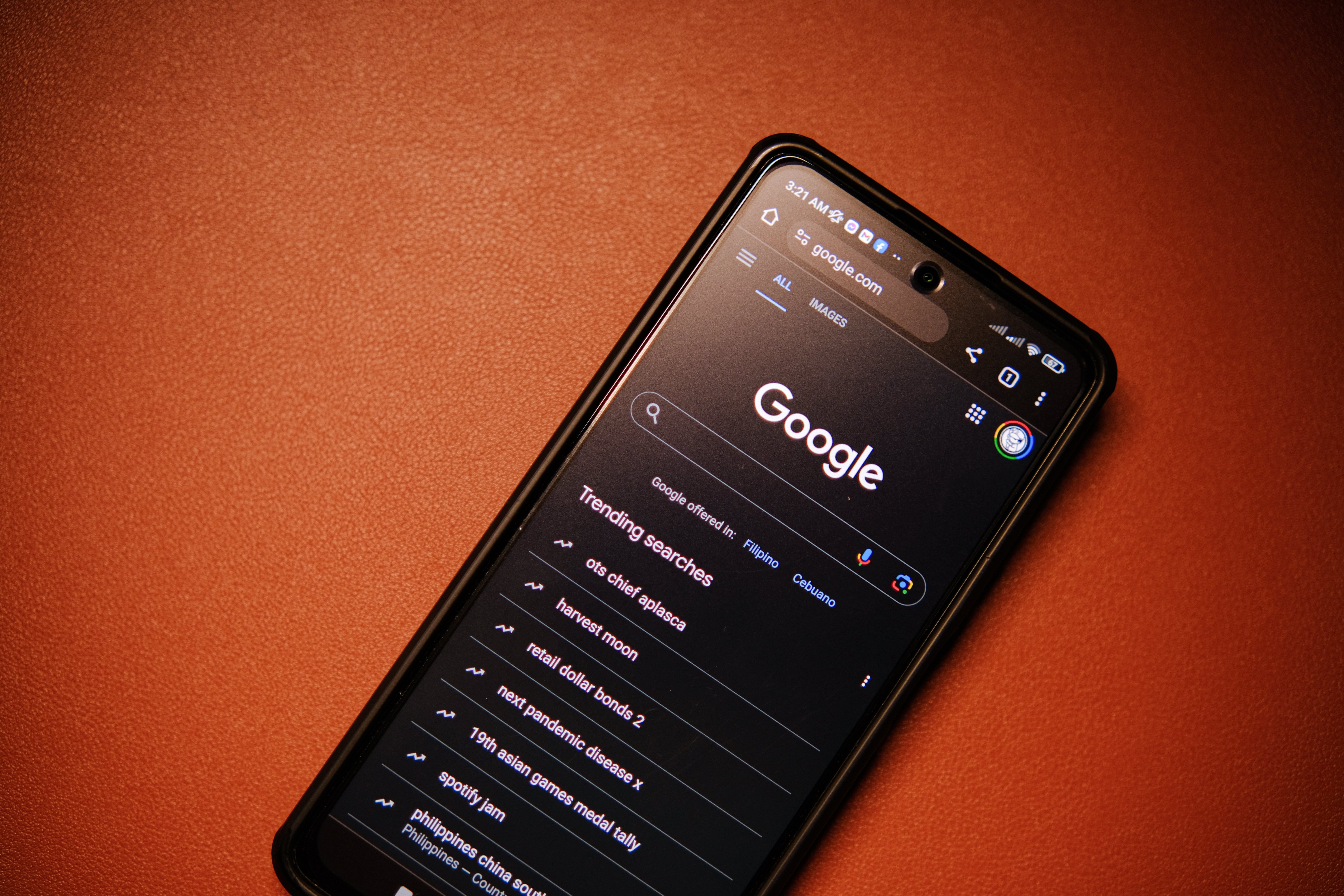
Your competitor ranks on page one. You're invisible on page five. Same city, same services—but they're capturing leads while you watch. The difference? Strategic SEO built for 2026's AI-first search landscape.
Every day you wait is another day handing qualified customers to competitors who adapted. Because here's what changed: AI Overviews now appear in 84% of search results. Google's Search Generative Experience (SGE) answers questions before users click anything. Zero-click searches mean visibility without traffic—which sounds impossible until you realize being cited by Google's AI is the new page-one ranking. Canadian businesses who understand this shift aren't just surviving—they're dominating. This guide shows you exactly how.
What is SEO? Understanding the Basics
Search Engine Optimization (SEO) makes your website visible when people search for what you offer. When someone in Vancouver searches "emergency plumber near me" or a Toronto CFO looks up "fractional accounting services," SEO determines whether your business appears—or your competitor gets the call.
The goal isn't traffic anymore. It's qualified visibility: appearing in AI-generated answers, traditional results, and local packs where decision-makers search. Users ready to engage, primed to convert, seeing your brand as the authority Google trusts.
Unlike pay-per-click ads that charge for every click, SEO earns organic visibility through strategic optimization. It's the only sustainable, compounding strategy for long-term growth—and in 2026, it's the only way to appear in AI Overviews that dominate search results.
How Search Engines Work in 2026
Google deploys automated crawlers that continuously scan the internet, indexing billions of pages. When someone searches, the algorithm analyzes indexed content in milliseconds—but here's the shift: instead of just showing ten blue links, Google's AI generates answers by synthesizing information from authoritative sources.
This means your content serves two masters: human readers and AI systems that decide whether to cite you. Sites optimized only for traditional SEO miss the AI layer entirely—they're invisible in Overviews, absent from SGE responses, and losing visibility even when they rank.
This is why web design and SEO must be built together from day one. A beautiful website that loads slowly, lacks structured data, or can't be efficiently crawled is invisible to Google's crawlers and its AI. You've built a billboard facing the wrong highway.
The 6 Critical SEO Ranking Factors in 2026
Google weighs over 200 signals, but these six drive visibility today:
1. E-E-A-T: Experience, Expertise, Authoritativeness, Trust
E-E-A-T is the foundation of modern rankings. Google's AI prioritizes content demonstrating real experience—case studies, portfolio work, firsthand accounts, original research. Showcase credentials explicitly. Earn quality backlinks from authoritative Canadian sites. Maintain trust signals: HTTPS, verified author bios with credentials, transparent contact information, client testimonials.
Critical for YMYL (Your Money or Your Life) sectors—finance, healthcare, legal, insurance—but weighted heavily across all industries. Sites without demonstrated expertise get filtered out of AI citations entirely.
2. Content Depth and Search Intent Alignment
Thin content is dead. Google's AI understands semantic relationships, context, and whether your content actually solves the searcher's problem. Match intent precisely: informational queries need comprehensive guides with structured answers AI can cite; transactional queries need clear service pages with conversion paths and trust signals.
Surface-level regurgitation gets ignored. Original insights, data-backed claims, and demonstrated experience get cited in AI Overviews and SGE.
3. Page Experience and Core Web Vitals
Site performance directly impacts rankings and AI citation likelihood. Core Web Vitals measure loading speed (LCP), interactivity (INP), and visual stability (CLS). Canadian users on mobile networks abandon slow sites instantly—and Google's AI deprioritizes them in generated answers.
Targets for 2026: LCP under 2.0 seconds, INP under 150ms, CLS under 0.05. Non-negotiable for competitive visibility.
4. Mobile-First Optimization
Google exclusively uses mobile-first indexing. Your mobile site is your ranking signal across all devices. Responsive design is baseline—you need genuinely optimized mobile UX, touch-friendly navigation, readable text without zooming, and fast mobile performance. AI Overviews prioritize mobile-optimized sources.
5. Structured Data and AI Readiness
Schema markup is how Google's AI understands your content type, extracts factual claims, and decides whether to cite you. Mark up business details, services, FAQs, how-tos, products, reviews, and author credentials using structured data.
Sites with comprehensive schema appear 3.2x more frequently in AI Overviews and SGE responses. This isn't optional—it's the language AI systems speak.
6. User Engagement Signals
Click-through rate (CTR), dwell time, scroll depth, and return-to-search patterns tell Google whether users find value. High engagement signals quality and relevance. Immediate bounces signal your content missed the mark.
In 2026, Google's AI learns from billions of user interactions across traditional results and AI-generated answers. Engagement with cited sources influences future citation decisions.
Keywords and Search Intent in the AI Era
Keywords are phrases people type into search. A Calgary dentist targets "emergency dental clinic Calgary" and "teeth whitening downtown." But in 2026, understanding intent behind keywords matters more than search volume—because you're optimizing for AI systems that evaluate intent automatically.
Informational Intent: Users want knowledge ("how to choose a contractor," "what is E-E-A-T," "best practices for roof maintenance"). Target these with comprehensive guides structured for AI extraction—clear headings, direct answers, supporting evidence.
Navigational Intent: Users seek specific sites ("TD Canada Trust login," "Grey Wolf Media contact"). Optimize brand terms and ensure your Google Business Profile appears.
Transactional Intent: Users are ready to convert ("hire SEO agency Vancouver," "book HVAC repair Edmonton," "get quote plumbing services"). Target with service pages demonstrating E-E-A-T through case studies, credentials, and clear conversion paths.
Your strategy must capture all three stages—but prioritize creating content AI systems can confidently cite as authoritative answers.
Why SEO is Non-Negotiable for Canadian Businesses in 2026
"Why not just run Google Ads?" Because organic search delivers compounding advantages paid ads can't match:
Cost-Effectiveness: SEO requires upfront investment but doesn't charge per click. Over 12-24 months, organic visibility delivers exponentially better ROI than sustained ad spend—especially as CPCs climbed 23% year-over-year in competitive Canadian markets.
Credibility and Trust: 68% of users skip paid ads entirely, trusting organic results and AI-generated answers more. When you rank naturally and get cited in Overviews, you signal authority. Canadian consumers trust businesses Google's AI trusts.
Compounding Returns: Paid ads stop when your budget runs out. Quality SEO compounds relentlessly—content published today drives traffic for months or years with minimal maintenance. Rankings become defensible assets.
Visibility in Zero-Click Searches: Traditional traffic metrics miss the point. Appearing in AI Overviews and SGE responses captures visibility even when users never click—brand awareness, authority positioning, and citation as the trusted source. You become the answer Google provides.
Realistic SEO Timelines: What to Expect
Honest answer: 3-5 months for initial traction, 6-10 months for significant results, 12-18 months for market dominance. SEO is infrastructure, not advertising—but compounding gains outpace every other channel.
Timeline factors:
- Domain authority: New sites take longer than established domains with quality backlink profiles and historical trust
- Industry competition: Ranking for "personal injury lawyer Toronto" takes 12-18 months; "custom woodworking Charlottetown" might see results in 4-6
- Content velocity: Publishing one post quarterly won't move rankings; consistent, authoritative content does
- Technical foundation: Slow sites with crawl errors sabotage everything else
- E-E-A-T development: Building demonstrated expertise, earning authoritative backlinks, and establishing trust signals takes time but creates defensible competitive moats
The payoff? Sustainable visibility that doesn't evaporate when you pause spending—and AI citation that positions you as the category authority.
Building Your SEO Foundation: Web Design + SEO Integration
The costliest mistake Canadian businesses make? Building a beautiful website first, then trying to retrofit SEO. This backwards approach creates expensive redesigns and permanent visibility gaps.
SEO-first web design starts at the strategy phase:
Site Architecture: Logical page hierarchies users and crawlers navigate intuitively. Clean URL structures (example.ca/services/plumbing-repair, not example.ca/?p=47392). Strategic internal linking distributing authority to conversion pages.
Technical Foundation: Page load times under 2.0 seconds. Mobile-responsive design that's genuinely optimized, not just "functional on phones." HTTPS (non-negotiable). Comprehensive structured data markup across all content types so AI systems understand context.
On-Page Elements: Unique, compelling meta titles and descriptions for every page (optimized for CTR in traditional results and AI summary inclusion). Proper heading hierarchy (one H1, logical H2-H6 structure). Schema markup on services, FAQs, author credentials, and business details.
User Experience: Intuitive navigation reducing bounce rate. Accessible design (WCAG 2.2 compliance). Clear conversion paths guiding users from search to action.
Essential SEO Tools for Canadian Businesses in 2026
Modern SEO demands current tools. Here's what delivers results now:
AI-Powered Content Optimization: Clearscope, SurferSEO, and Frase analyze top-ranking content and AI Overview citations to provide data-driven optimization recommendations. They excel at identifying semantic gaps, structuring content for AI extraction, and competitor analysis—compressing 8 hours of manual research into 20 minutes.
All-in-One SEO Platforms: Ahrefs, SEMrush, and Moz combine keyword research, backlink analysis, rank tracking (including AI Overview presence), technical audits, and competitor intelligence. Essential for comprehensive campaigns. Canadian-specific features: track .ca domains, monitor bilingual keywords, analyze local pack rankings across cities.
Google's Essential Free Tools:
- Google Search Console: Monitor indexing status, fix crawl errors, track performance in traditional results and AI features, submit sitemaps
- Google Analytics 4: Understand user behavior, traffic sources, engagement metrics, conversion paths
- Google Business Profile: Critical for local SEO—dominates "near me" searches and local pack visibility for Canadian businesses
- PageSpeed Insights: Measure Core Web Vitals, get specific optimization recommendations, track mobile performance
Technical SEO Crawlers: Screaming Frog and Sitebulb identify issues undermining rankings—broken links, redirect chains, missing schema, duplicate content, crawl inefficiencies.
Why invest in tools? Data-driven decisions, competitive intelligence, automation of repetitive analysis, and precision measurement proving ROI to stakeholders.
Canadian SEO Considerations: Local and Cultural Nuances
SEO for Canadian businesses requires market-specific optimization:
Bilingual Optimization: Serving Quebec or bilingual markets? Implement hreflang tags and create genuinely localized French content—not machine translations. Google's AI detects quality differences and ranks accordingly. Poor translations hurt E-E-A-T signals.
Local Search Dominance: 52% of Google searches have local intent ("near me," city-specific queries, "open now"). Completely optimize Google Business Profile with accurate hours, services, photos, and regular posts. Build citations in Canadian directories (Yellow Pages, Yelp Canada, industry-specific listings). Create city-specific landing pages targeting local keywords.
Geographic Competition Variance: A plumber in Kelowna faces different competition than one in Toronto. Tailor strategy to your market's competitive landscape, search volume patterns, and local user behavior.
Canadian Spelling and Terminology: Optimize for Canadian English ("labour" not "labor," "cheque" not "check," "zed" not "zee," "GST/HST" not "sales tax"). Use culturally relevant references. These details signal local relevance to users and search algorithms.
DIY SEO vs. Hiring Professionals: Making the Right Choice
Can you handle SEO yourself? Depends on your situation and capacity.
DIY SEO makes sense if:
- You operate a simple site (under 40 pages) with straightforward local services
- You have 8-12 hours weekly for learning, execution, and content creation
- You're comfortable with technical implementations and data analysis
- You compete in less saturated local markets
Hire SEO professionals when:
- You run complex sites (e-commerce, multi-location, technical services, YMYL industries)
- You compete in saturated markets (law, real estate, healthcare, home services in major metros)
- You lack time for ongoing optimization, content creation, and technical maintenance
- You need advanced implementations (JavaScript rendering, international SEO, enterprise migrations, comprehensive E-E-A-T development, AI Overview optimization)
Even if you outsource, understanding fundamentals helps you evaluate agencies, ask intelligent questions, and avoid vendors promising "page one in 30 days" (massive red flag—run).
Your Next Steps: Start Building Visibility Today
SEO isn't optional—it's the foundation of online visibility in AI-dominated search. Here's your action plan:
-
Audit current state: Run your site through Google Search Console and PageSpeed Insights. Identify quick wins and critical blockers.
-
Fix technical foundation: Address site speed, mobile usability, Core Web Vitals, crawl errors, and indexing issues first. You can't build on broken infrastructure.
-
Implement comprehensive structured data: Add schema markup to business details, services, FAQs, author credentials, and content. Speak the language AI systems understand.
-
Create authoritative, experience-driven content: Publish in-depth content demonstrating real expertise and firsthand experience. Structure it for AI extraction with clear headings, direct answers, and supporting evidence.
-
Dominate local search: Claim and completely optimize Google Business Profile. Build citations across Canadian directories. Create location-specific content targeting city-level keywords.
-
Build E-E-A-T signals systematically: Add detailed author bios with credentials, publish case studies with results, showcase client testimonials, earn industry recognition, and secure backlinks from authoritative Canadian sources.
-
Track, measure, iterate: Monitor rankings in traditional results and AI Overview presence. Track traffic, engagement, and conversions. Refine based on data, not assumptions.
Ready to stop handing customers to competitors who rank? Grey Wolf Media helps Canadian businesses dominate search, get cited in AI Overviews, and turn visibility into revenue. Contact us today for a comprehensive SEO audit—we'll show you exactly what's blocking your visibility and the strategy to fix it.